Where the Money in Fixed and Progressive Jackpots Comes From
Where Does the Money in Fixed and Progressive Jackpots Come From?
Introduction
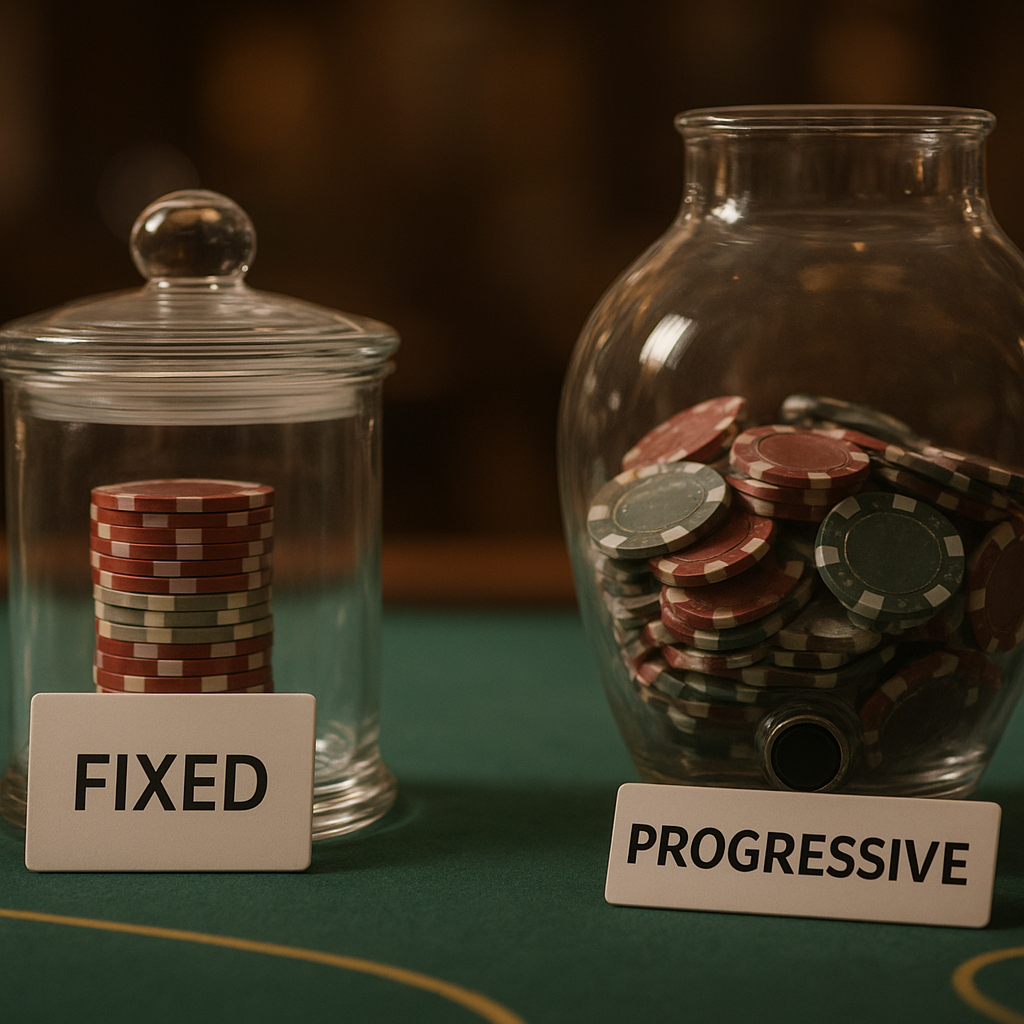
A jackpot display can make a prize look like a pot of cash waiting to be claimed. But how it is funded depends on the game’s rules. A fixed jackpot has a set payout, while a progressive jackpot grows as eligible wagers contribute to it.
This difference affects more than the headline amount. It determines who covers a payout, how much qualifying bets add to a shared prize and what happens after someone wins. Terms vary by game and jurisdiction, so the label alone doesn’t tell the whole story.
The players in the pool
A fixed jackpot amount is set in advance. The game provider or operator may cover the potential payout through its operating budget, reserves or the game’s overall economics. A player’s wager buys a chance to win the stated prize; it doesn’t necessarily send a separately identified portion into a jackpot account.
In this model, the operator or provider takes on a defined liability. If someone wins, the payout is due under the published rules, even if recent wagers haven’t generated an equivalent amount. The prize may be available on every eligible play or only when specific conditions are met.
A progressive jackpot works differently. A set share of eligible wagers goes toward the prize, increasing the displayed amount as play continues. Usually, only part of each wager contributes, and the rules specify which bets count and whether they contribute equally.
In a local progressive, contributions from one game or venue feed a single prize. A networked progressive pools contributions from multiple games or locations, so the total can grow faster. But a larger pool may also mean more players competing for the prize.
The operator, platform or game provider may add an initial seed amount to give a progressive a visible starting value. Some games also receive funds through promotions or other arrangements. Typically, however, ongoing contributions from eligible wagers drive the jackpot’s growth.
Key factors
The contribution rate is one factor. The rules may state what proportion of eligible wagers goes to the progressive, but this rate isn’t the same as the game’s full return to players. Some games include jackpot payouts in their theoretical return calculations; others present this information differently.
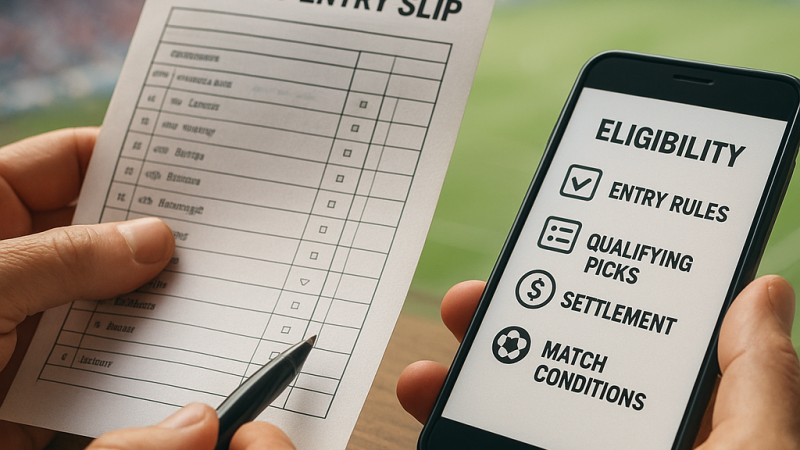
Eligibility matters too. A game may require a minimum bet, or only certain modes, paylines or bonus features may qualify. A wager doesn’t always contribute to a particular jackpot, even if the game displays it prominently.
Then there’s the reset rule. A conventional progressive often returns to a stated base amount after a win and starts growing again. The base may come from an operator-funded seed, accumulated contributions or both. Some jackpots have a cap; others keep growing until someone wins.
Jackpots can also be triggered in different ways. Some require a specific symbol combination or bonus round; others use a random trigger during qualifying play. A must-win-by prize may have to be paid before it reaches a specified limit, but the trigger and deadline depend on the game’s rules.
The displayed total may not be the amount a winner receives immediately. A prize may be paid as a lump sum or in instalments, and taxes or other legal requirements may apply. The rules should explain the payment method, verification process and any limits.
Don’t assume that progressive contributions are held in a separate account owned by players. Accounting and safeguarding arrangements vary by operator and jurisdiction. A displayed jackpot is a promise governed by the game’s terms and applicable regulations; by itself, it doesn’t prove that a specific amount is held in a bank account.
Scenario: from contribution to payout
Imagine a networked game with a progressive prize that starts at a published seed amount. Each qualifying wager adds a small, defined contribution to the shared pool, while the rest of the game’s economics covers other costs and potential returns. As people play across participating locations, the displayed total rises.
A player then meets the winning condition. The operator verifies that the wager qualified and the trigger was valid, then pays the prize according to the rules. If the jackpot resets to its base, the next cycle starts there. If it has a cap or a must-win-by condition, a different rule may apply.
Now compare it with a fixed jackpot of the same advertised size. The payout is set before the winning play, and the operator or provider must meet that obligation under the agreed terms. Recent wagers may support the game’s overall economics, but the prize doesn’t need to have grown through visible per-play contributions.
A large progressive total doesn’t mean the entire amount came from one player’s losses. Nor does a fixed prize mean the operator pays it from a single source of cash. Funding can involve pooled contributions, game design, reserves and contractual obligations. The details depend on the product.
Conclusion
Fixed jackpots are usually predetermined prizes backed by the operator’s or provider’s financial arrangements. Progressive jackpots generally grow through contributions from eligible wagers, sometimes pooled across a network, and may start with a seed amount from the operator or provider.
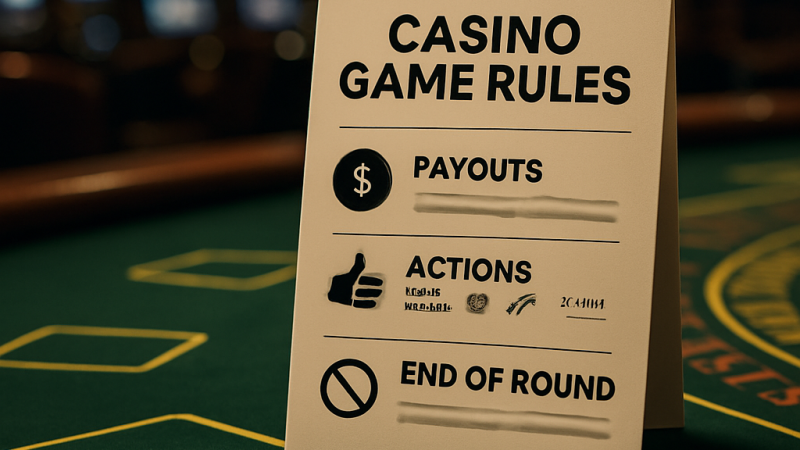
Players should check which wagers qualify, how the prize is triggered, whether it resets or has a cap, and how a win is paid. These details say more about where the money comes from than the jackpot label or the number on the screen.