How to Protect Your Personal Data During Rajbet Login
How to Protect Your Personal Data During Rajbet Login
Introduction
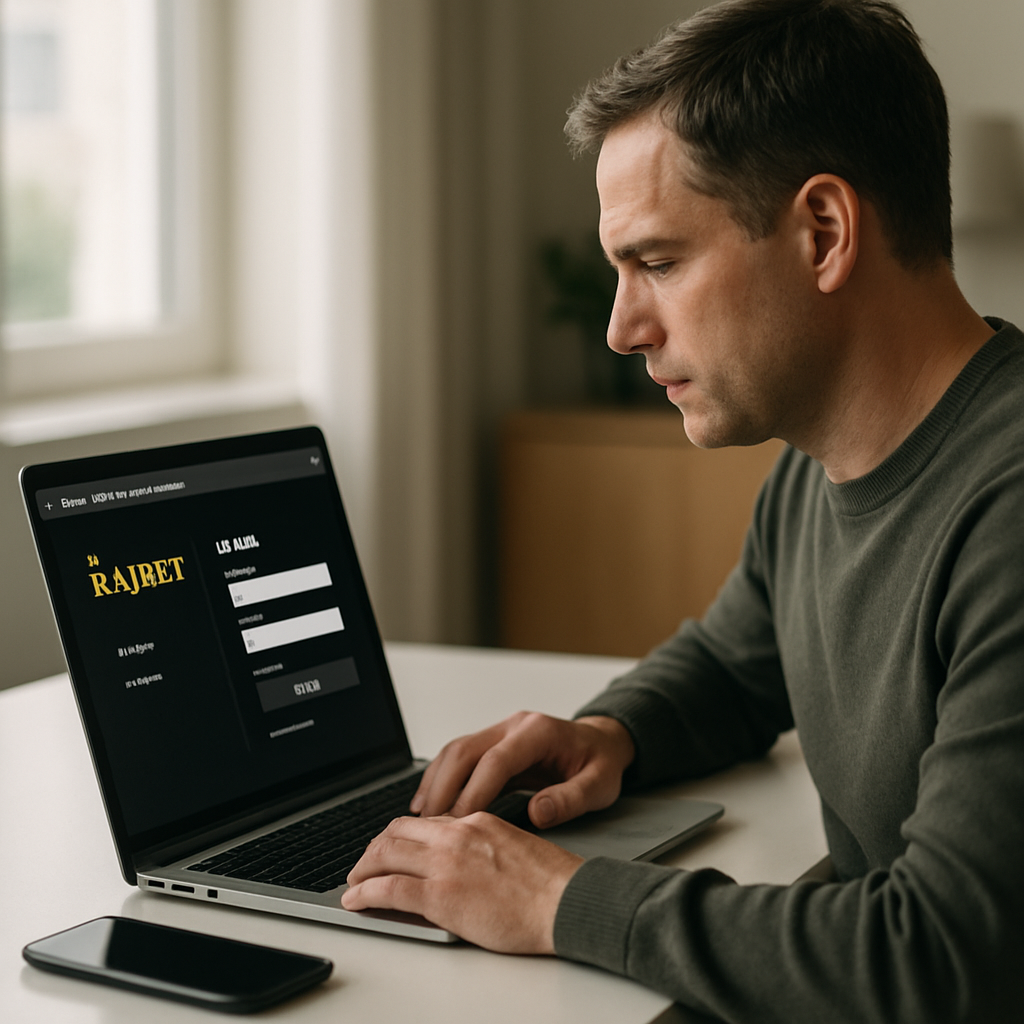
A Rajbet login is more than a way to access an account. It brings together your identity, credentials and device security, so treat the Rajbet login page as a sensitive point of entry—not a routine click.
Account protection rarely depends on one dramatic security measure. It usually comes down to small choices: checking where a link leads, using a password you haven’t reused, and noticing when a familiar sign-in process suddenly feels different.
There’s no basis for assuming which safeguards a particular service offers or how it handles data. Focus on what you can control: avoid sharing information unnecessarily and pause when you receive an unexpected request.
Analysis: the user and the platform
When you log in, you’re trying to start a legitimate session. An attacker may try to imitate the page, capture your password or exploit a device you’ve left exposed.
Your first line of defence is the route to the login page. Links in unsolicited messages, social posts or unfamiliar search results may lead to convincing imitations. Check the domain before entering your credentials, and look out for misspellings or extra words.
A padlock icon or encrypted connection doesn’t prove that a page belongs to the intended service. Encryption protects data in transit, but doesn’t confirm the site’s identity. Check both the address and how you got there.
Your device matters, too. An updated operating system and browser can reduce exposure to known vulnerabilities. Unknown extensions, shared devices and unattended sessions can create risks that a strong password alone won’t prevent.
Good security doesn’t mean distrusting every screen. It means checking details that are easy to overlook when a sign-in feels familiar.
Key factors
Use a unique password. Reusing passwords can let a breach on one account open the door to others. A long, unique password is harder to guess and limits the damage if credentials from another service are exposed. A reputable password manager can help you create and store separate passwords.
Protect any additional sign-in step. If multi-factor authentication is available, consider enabling it. A one-time code or approval request adds protection beyond your password. Never share a code with someone who asks for it; they may be trying to take over your account.
Recognise phishing attempts. Urgent warnings, unexpected prizes, requests to confirm account details and links to unfamiliar sites are all reasons to pause. A familiar logo or polished design doesn’t prove who sent the message.
If a message says you need to act, don’t use its link to check whether the claim is true. Go to the service independently using a route you already trust, then review your account. This keeps the message from steering your sign-in decision.
Limit what your device remembers. On a personal device, use a screen lock and close active sessions when you’re done. On a shared or public device, don’t save your password; sign out and close the browser session. If you can’t confirm these steps, avoid entering sensitive credentials.
Keep network risks in perspective. Public Wi-Fi doesn’t automatically mean someone can read everything you do, but it won’t protect you from a fake login page, a compromised device or a reused password. Don’t follow login links received over that network, and don’t treat a VPN as a substitute for checking the destination.
Share as little as possible. You shouldn’t need to give your credentials or verification codes to another person to sign in. Be cautious about requests for identity or payment details outside a process you started. Don’t send private account information through informal messages just because the sender seems familiar.
Check what account controls are available. If you can review active sessions, security notices or contact details, use those settings and look for changes you didn’t make. Not every service offers these options, so also pay attention to account activity and keep recovery information up to date where possible.
The login scenario: a moment under pressure
Imagine receiving a message that says your access will be restricted unless you verify your account immediately. The urgency is part of the tactic: it gives you less time to notice a mismatched address, an unusual request or a link to an unexpected site.
The safer response is to pause. Check the destination, don’t share any codes, and go to the service independently instead of following the message’s link. If the warning is genuine, you can review it without trusting the message that delivered it.
Now imagine you’ve entered your password on a borrowed device. The priority shifts from prevention to containment: sign out, check that your credentials weren’t saved and, if in doubt, change your password later from a trusted device.
If you used the same password elsewhere, secure those accounts too. Changing it on one service won’t undo reuse across other accounts. Think about the wider risk rather than assuming one successful sign-in means everything is secure.
Conclusion
Protecting your personal data during Rajbet login comes down to deliberate choices, not a guarantee from any one tool. Check the page before entering your details, use a unique password, enable an additional authentication step if available, and don’t expose credentials on devices or through messages you don’t trust.
Most importantly, don’t let urgency rush you. A quick check of the address, device and request can help prevent a careless click from exposing your account—and keep control of your personal information in your hands.