
Mobile Gaming Trends and Their Impact on Platforms Like Rajbet
Mobile Gaming Trends and Their Impact on Platforms Like Rajbet
Introduction
Sport increasingly competes for attention on the same device people use to message friends, watch clips and play games: the mobile phone. This shift affects not only how audiences follow a match, but also what they expect from related digital services, including platforms such as Rajbet.
The change is about more than moving activity to a smaller screen. Mobile use encourages shorter, more frequent visits, makes quick navigation important and brings live information closer to the action. This creates opportunities for sports platforms, but also raises expectations. A polished interface cannot make up for unclear terms, unreliable information or a lack of user control.
Mobile audiences are not all alike. Some people want a quick score update; others follow a match closely or use interactive features. A useful analysis looks at how technology shapes the experience without assuming everyone behaves in the same way.
Analysis of players and platforms
In sport, a team’s shape depends on how well its parts work together. A mobile platform faces a similar test: its interface, live content, account tools and support should feel consistent, especially when users move quickly between a match and other activities.
On a phone, people can switch between watching, checking updates and interacting with a service in a short time. This can make the experience feel more immediate, but it can also split attention and make useful information harder to distinguish from prompts designed to prolong engagement.
Platforms compete on more than speed and visual appeal. Menus should be easy to read, essential information easy to find, and the next step in a process clear. These standards matter even more on a compact screen, where a crowded layout can make simple tasks frustrating.
For a platform such as Rajbet, mobile-first design is more than a cosmetic update to a desktop product. It shapes how users encounter the service, what they see first and how confidently they can manage their activity. The name alone says nothing about how well a platform meets these standards; what matters is the experience itself.
Key factors
Speed and usability. Mobile users expect pages and controls to respond quickly, but speed is valuable only when it supports understanding. An interface that loads fast but hides important details is not effective. Good design removes unnecessary steps without making important choices harder to understand.
Live context. Sport can change from minute to minute, and mobile devices make it easy to check the latest action. This immediacy can deepen engagement, but it also makes timing and accuracy essential. Delayed or confusing updates, or an unclear distinction between live and settled information, can undermine trust when users are paying close attention.
Personalisation and restraint. Tailored content can help users find relevant sections without searching through the entire service. But personalisation is not always beneficial. A constant stream of prompts can prioritise time on the platform over the user’s original purpose.
Payments and account confidence. Services involving account activity should explain their processes clearly, from verification to transaction records and account controls. Complex terms can be harder to review on a small screen, so presenting them clearly is part of responsible design. Easy-to-find support and account tools also help users stay in control.
Trust and responsible use. Convenience makes a service easier to access, but can also encourage unplanned use. Platforms should make limits and controls visible rather than treating constant engagement as the measure of success. The aim should be not only to bring users back, but also to help them make informed choices and step away.
Connectivity and accessibility. Mobile services need to work across devices, screen sizes and network conditions. Readable text, clear contrast and simple controls are practical requirements. A service that relies on uninterrupted connectivity or expects users to process dense information quickly may exclude some people and increase the risk of mistakes.
Match scenario
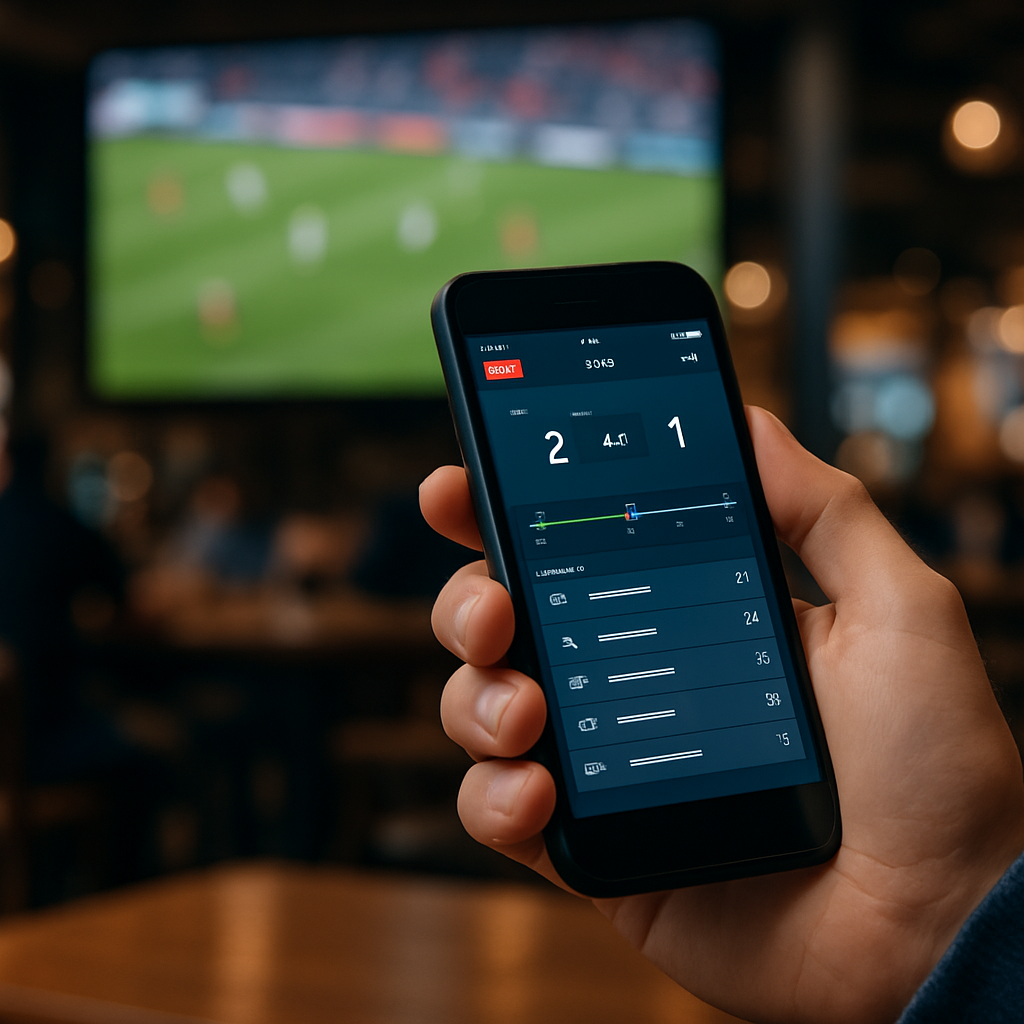
Imagine a match with a long spell of pressure followed by a sudden shift in momentum. A viewer checks the score on a phone, opens a live service and then returns to the broadcast. The platform has only a moment to present relevant information clearly. A crowded screen or ambiguous update can distract from the match instead of complementing it.
Now imagine the same sequence handled more carefully. The score and match status are easy to spot, navigation is predictable, and any interaction comes with enough context to make sense. The user can follow the game without being pushed towards unrelated prompts. This is not a prediction about a particular match or platform, but a useful test of mobile design in live conditions.
The scenario also shows why the match itself must remain central. A mobile service can support the sporting experience, but it cannot create drama when the action does not provide it. Treating every moment as a reason to prompt another interaction risks exhausting the attention that makes live sport compelling.
Conclusion
Mobile gaming is making sports engagement more immediate, personal and constant. For Rajbet and similar platforms, the challenge is to turn that convenience into a clear, dependable experience—not simply a reason to keep users on screen.
A lasting advantage is unlikely to come from one feature. It will depend on usable design, accurate live information, transparent account processes and meaningful user controls. As mobile habits continue to shape how people follow sport, platforms that respect users’ attention and make their choices clear will be better placed to earn trust.
